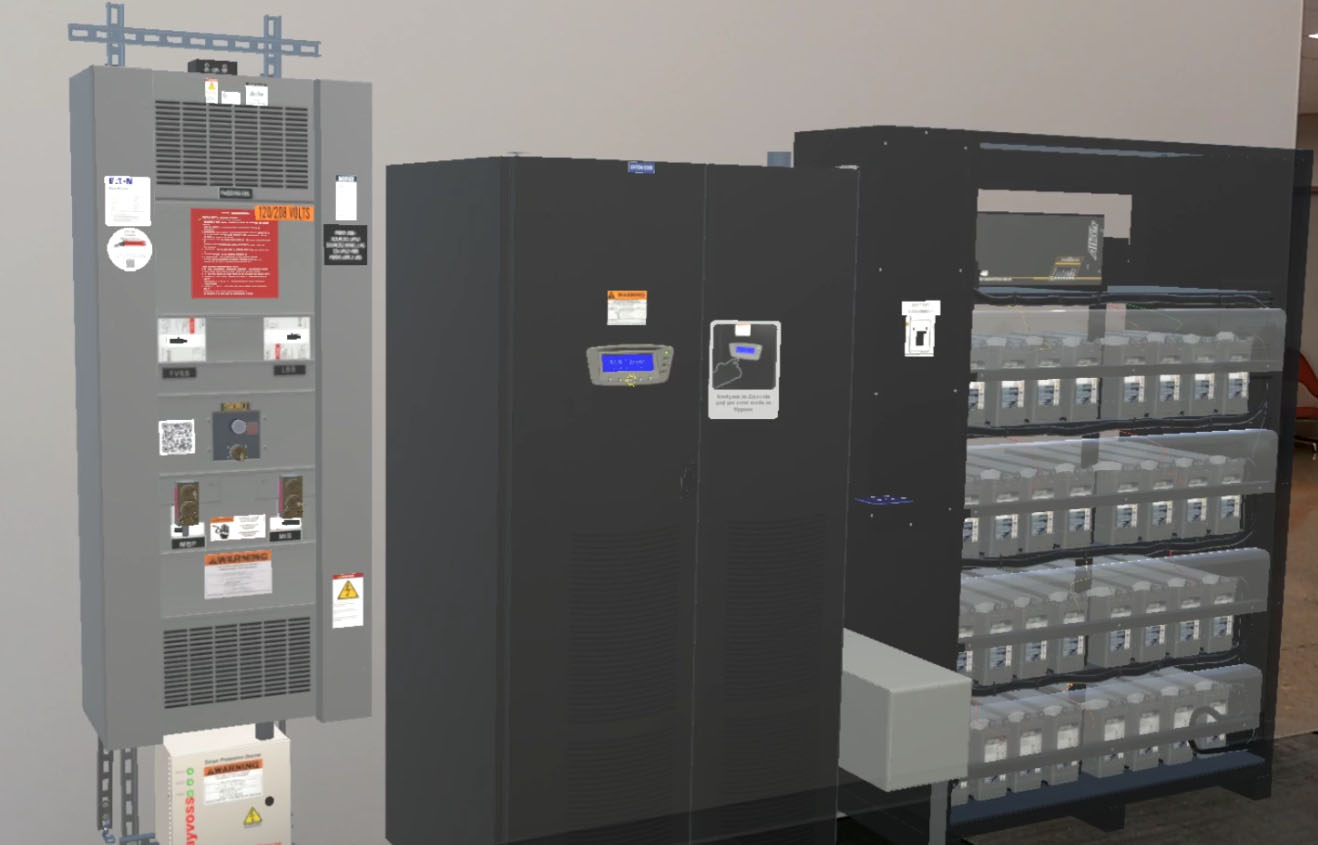
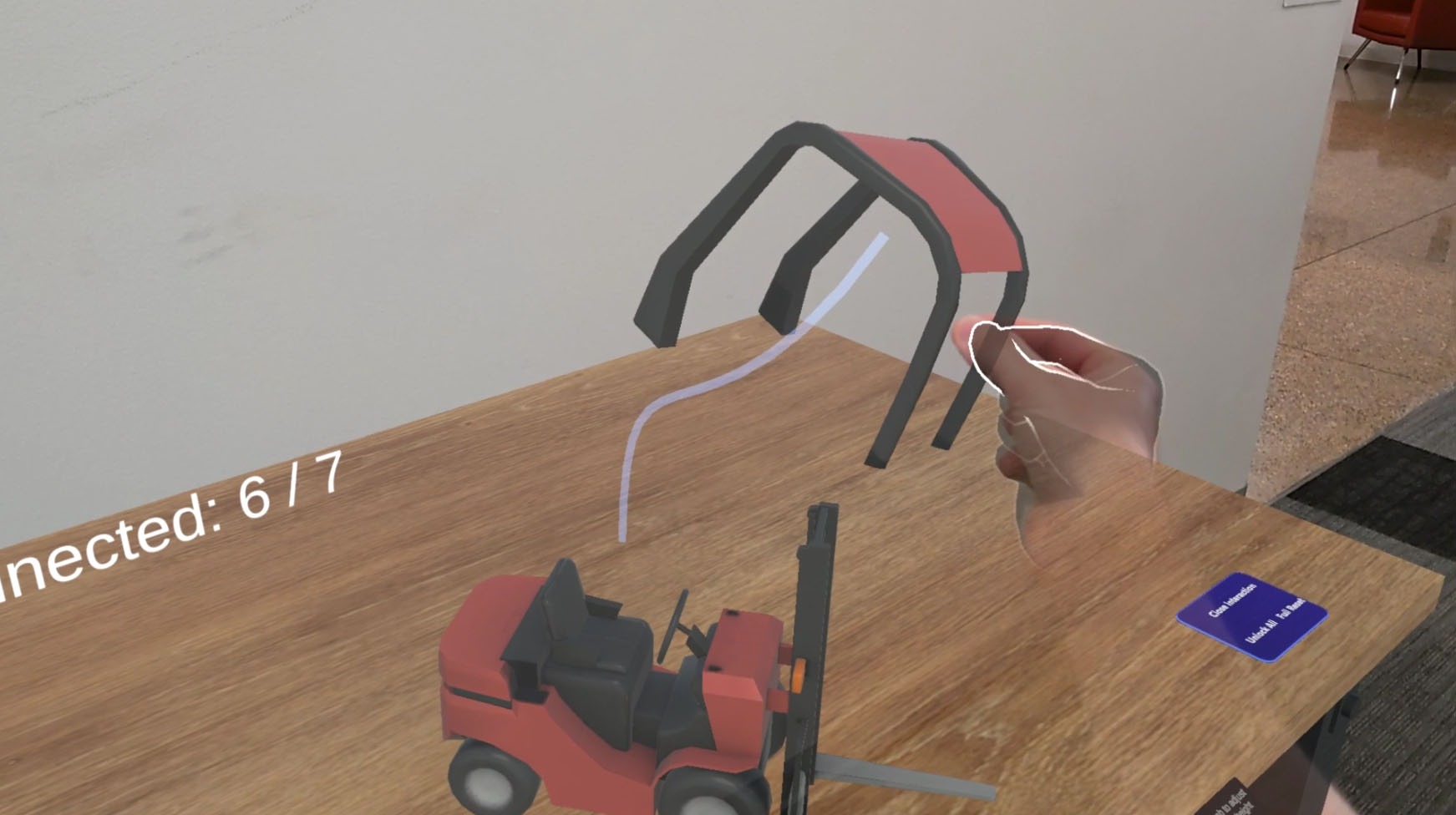
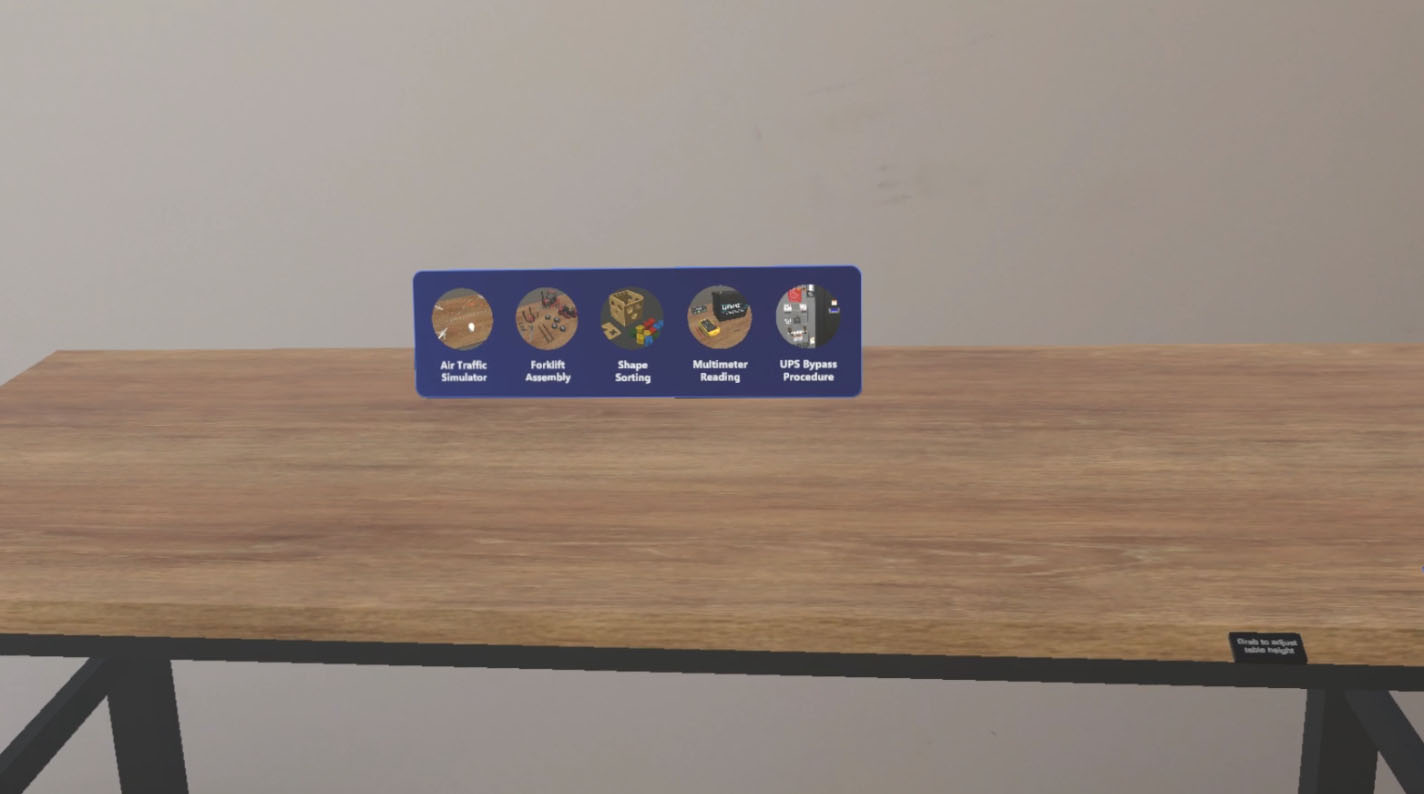
The FAA Technical Operations Extended Reality (XR) Comfort Analysis & Maintenance Simulation is a safety-critical training and ergonomics research system developed at the VAST Lab in close partnership with the Federal Aviation Administration (FAA). The platform provides Augmented Reality and Mixed Reality applications to test wearability, comfort, and cybersickness to recommend how long users can wear the XR headsets, how often breaks are needed, and how long they should last. This is facilitated through equipment training on operations such as a Uninterruptible Power Supply (UPS), routing airplane traffic over a tower, multimeter usage, and other small training scenarios and procedures.
Human Factors & Wear Time Research
Beyond technical procedural guidance, the project investigates cognitive load, physical neck/eye strain, and spatial interaction degradation across sustained XR usage in field maintenance environments:
- Ergonomic Fatigue: Measuring cervical spine tilt angles and center-of-mass head torque during multi-hour overhead equipment inspections.
- Cognitive Aptitude Tailoring: Adapting UI guidance density based on real-time task completion heuristics and eye-gaze tracking metrics.
Modules & Simulations
The suite trains field technicians across several operational modules:
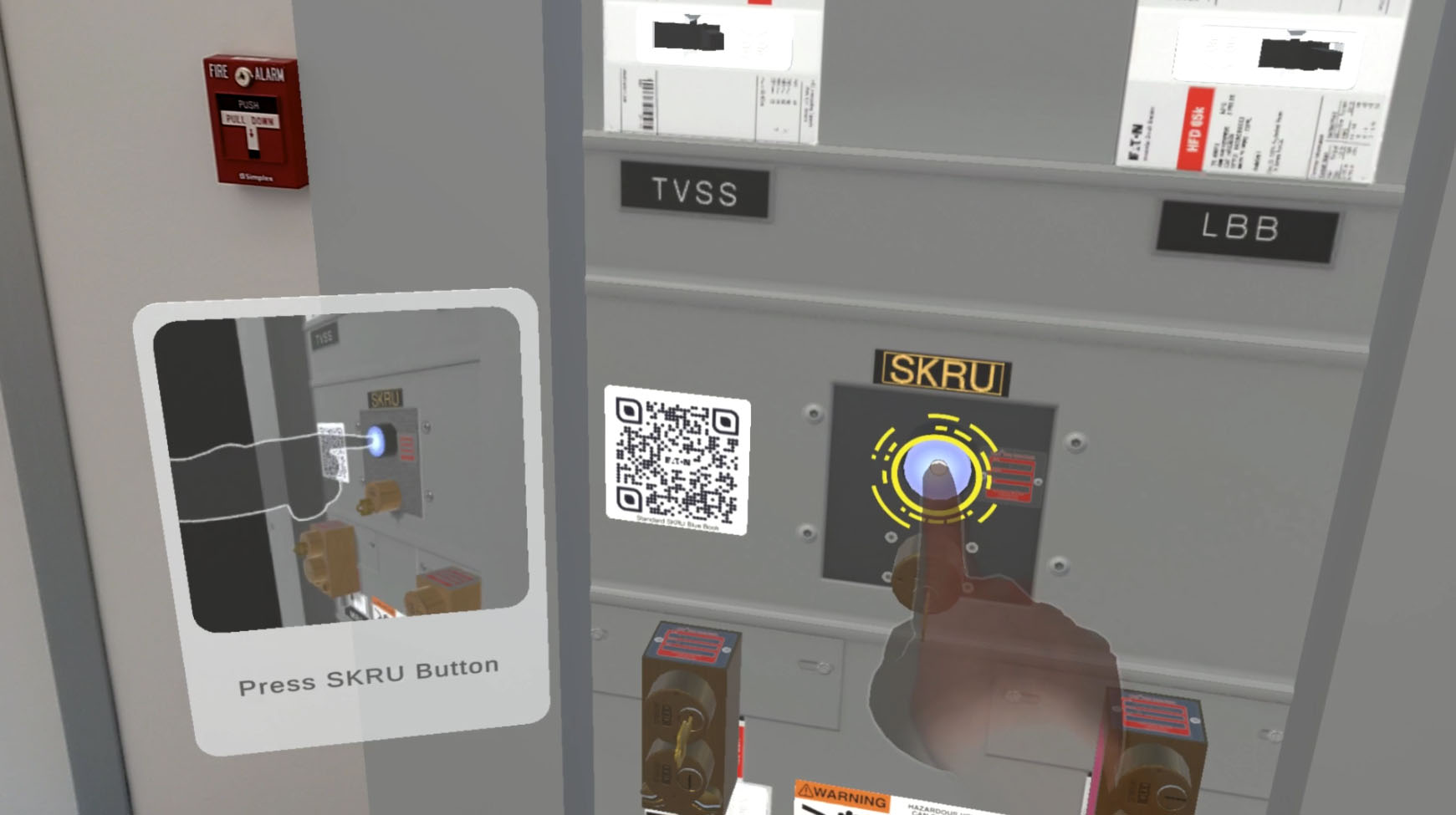
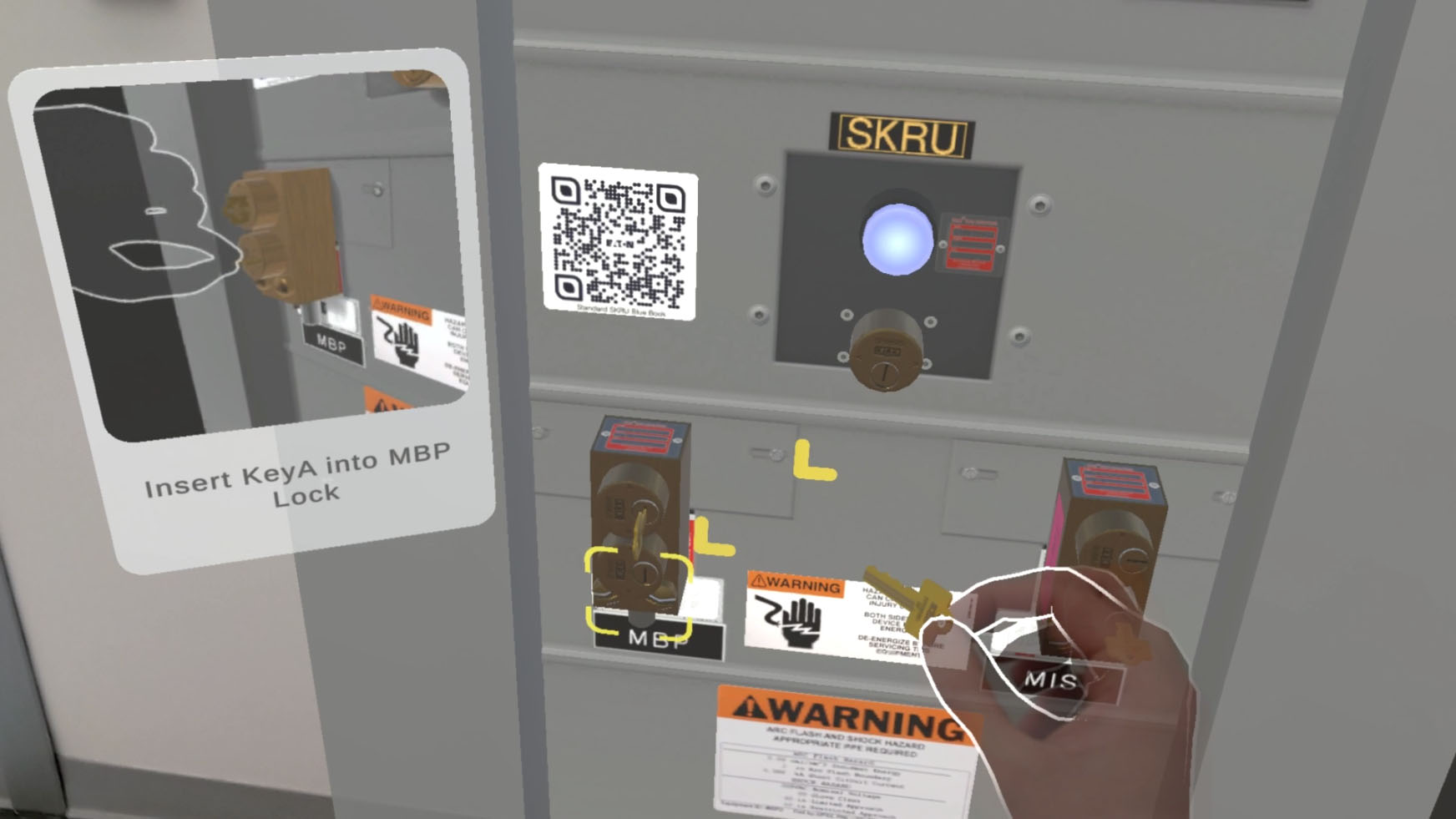
- Uninterruptible Power Supply (UPS) Maintenance: Step-by-step breaker lock-out/tag-out protocols.
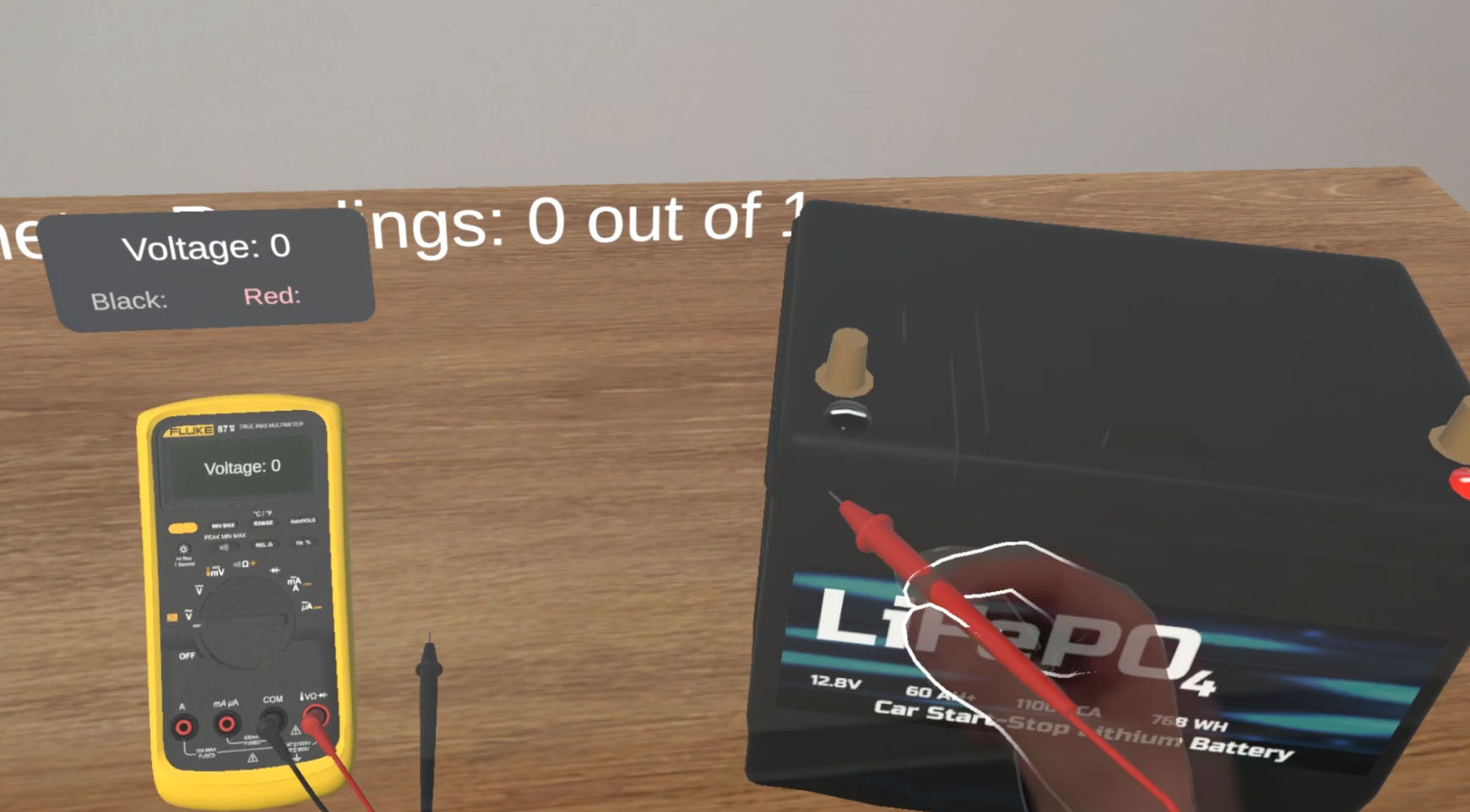
- Digital Multimeter Calibration: Multimeter probe interactions, voltage testing, and circuit measurements.
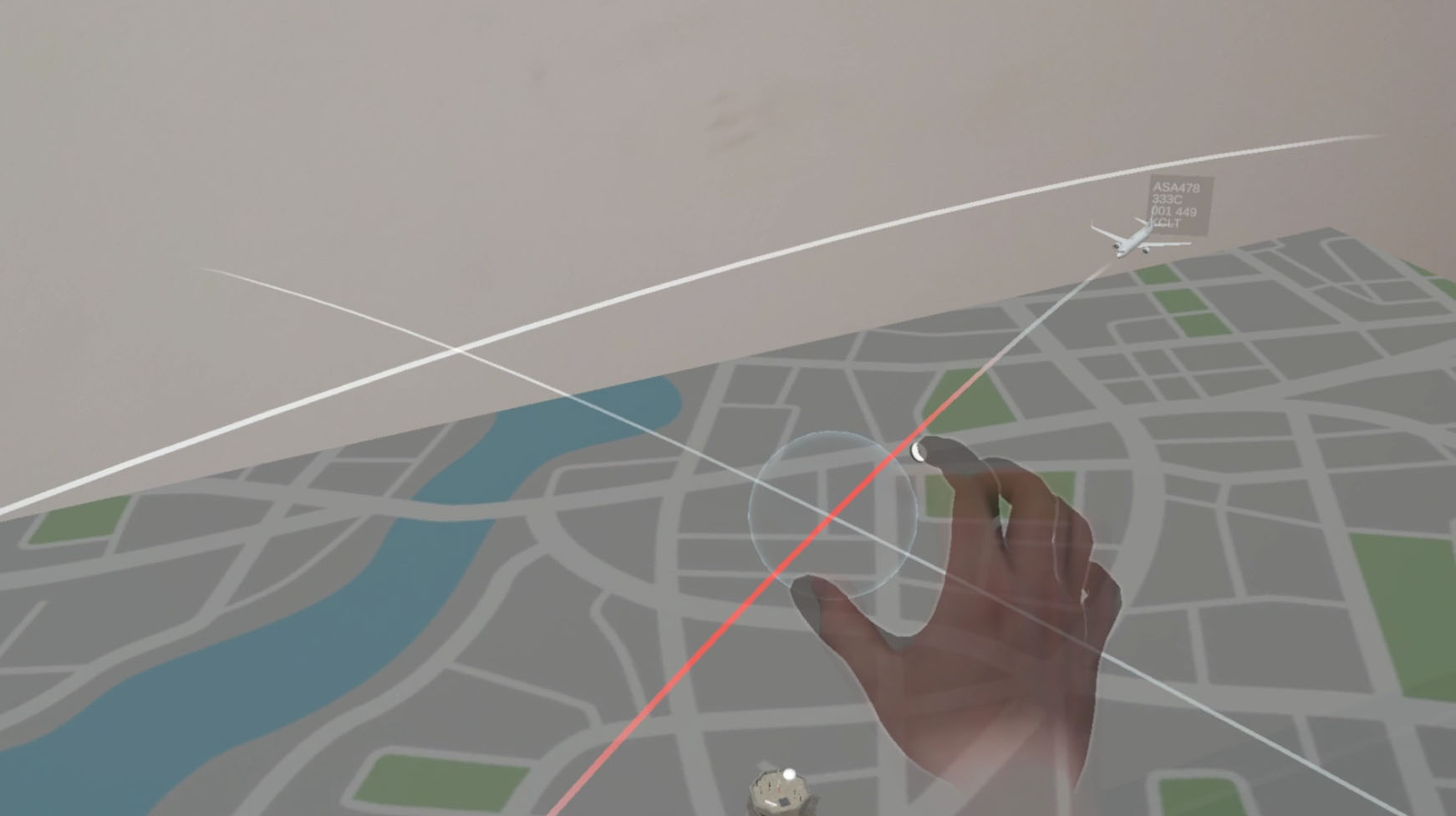
- Air Traffic Control Plane Routing: Simplification of airplane re-routing and navigation adjustments.
Academic Publications
Peer-reviewed symposium and journal publications covering this work
Enhancing Human Performance in Aviation Technical Operations Extended Reality (XR) Training Systems Tailored to Human Aptitudes
Aviation maintenance training requires rigorous spatial and procedural comprehension. We evaluate an extended reality (XR) procedural simulator calibrated against individual operator spatial aptitudes. Findings indicate that adaptive spatial scaffolding accelerates task mastery, mitigates cognitive overload, and reduces error rates in safety-critical aircraft systems maintenance.
Augmented Reality for Technical Operations Field Work: Examining the Development and Effects of Headset Discomfort
Extended deployment of optical see-through AR displays in field technical operations introduces distinct ergonomic hurdles. This empirical study tracks the temporal onset of focal fatigue, craniofacial pressure, and postural adjustments across technicians during technical procedures, yielding actionable recommendations for device weight distribution and procedural pacing.
Press & Media Recognition
Articles, video features, and media coverage celebrating this project